
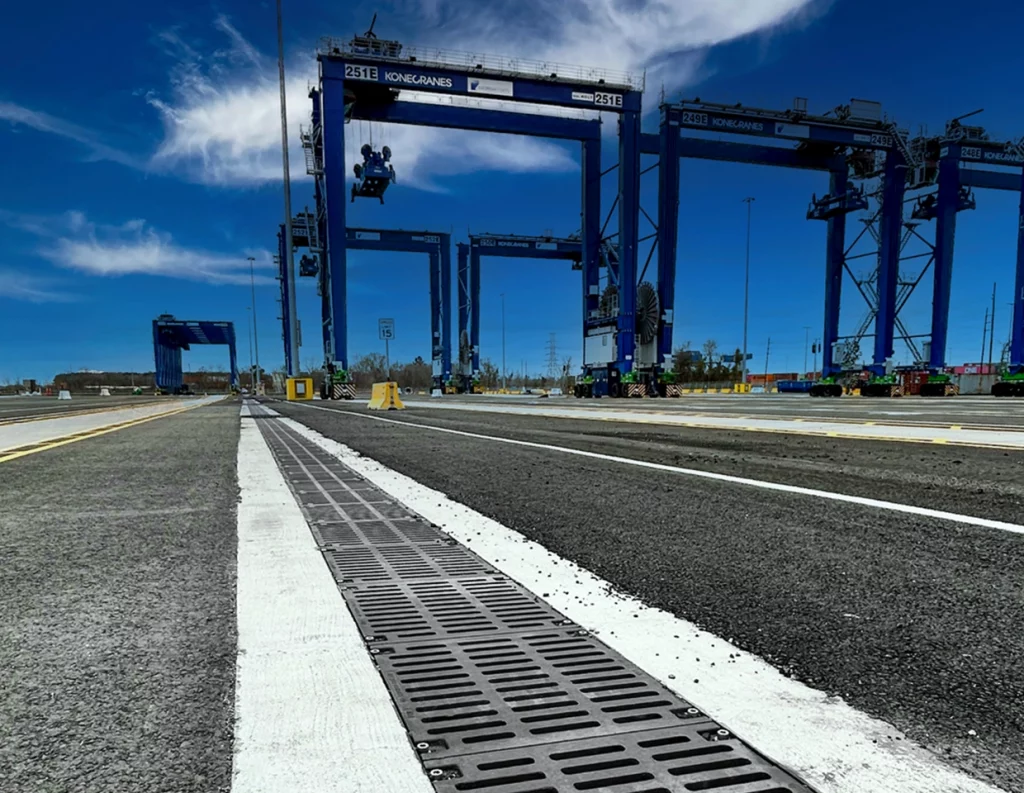
Ports & Docks
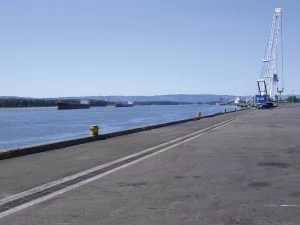
Ports and shipyards have considerations for trench drain design including extreme loads, such as straddle carriers, high flows and long runs. ACO provides solutions for these common design requirements. ACO products and services can help sea ports and inter-modal transportation yards meet their specific drainage requirements and regulations.
Products
Stormwater Management
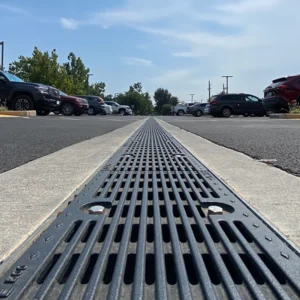
FlowDrain
Fiberglass Drains- Lightweight fiberglass channels
- 1.0% sloped systems
- Steel and iron frames/grates
- Longer channels for longer runs
- EN1433 A–F grate loading
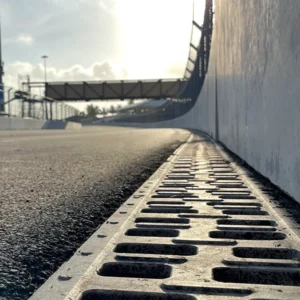
MonoBloc
Monolithic DrainsGrate-free polymer concrete channels built for high and heavy traffic. Monolithic build leads to increased security, stability, and EN1433 A–E load support.
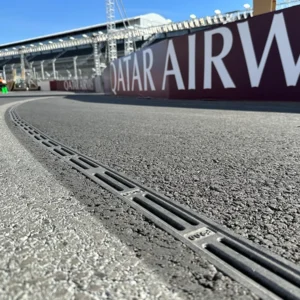
QMax
Slotted High-Capacity DrainsMDPE, high-capacity trench drain channels with heavy-duty slotted railing. EN1433 A–F loading supports projects such as airports (airside) with high demands.
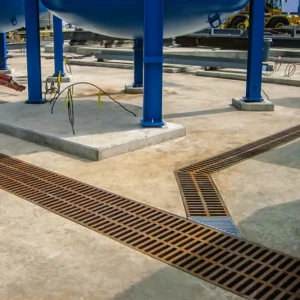
Aquaduct Trench
Custom Trench DrainsFully custom trench drain systems tailored to complex project requirements that standard systems can’t meet.
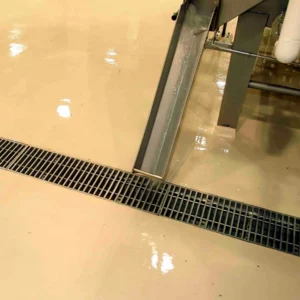
Aquaduct Double Containment
Leak Detection SystemTrench drains with advanced leak detection and prevention for high-risk environments. Leaks are captured between monitored dual trenches.
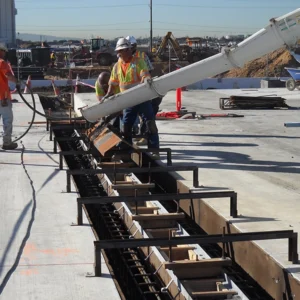
Aquaduct Former System
Custom Trench FormerCost-effective, reusable solution for shaping concrete trench systems with precision. Fiberglass formers can be removed and reused after concrete cures.
Case Studies
-

Port of Seattle Pier 115
Seattle, WashingtonThe T115 Port of Seattle has about 70 acres of altiplano. Pier T115 is suitable for marine applications such as bulk cargo receiving and transport. Several 30-inch stormwater outfalls are located near the site. Problem: The Port required an effective drainage system to manage stormwater runoff and prevent ponding in… Read More -
Port of Vancouver
Vancouver, WashingtonThe Port of Vancouver was the name of the largest port in Canada and the largest in the Pacific Northwest with 76.5 million metric tons of cargo. Problem: The rehabilitation of Terminal 3, Berth 8/9 at the Port of Vancouver required a large capacity drainage system to remove the large… Read More
Considerations
Loading
- Extraordinary heavy loads may be present and require a drainage system and grate with a minimum Load Rating of Class F
- Monolithic systems (Monoblok) or those cast into the slab (Qmax) may be required to withstand dynamic loads]
- For pedestrian only areas, a system and grate with a minimum Load Rating of Class A is recommended. In areas where wheeled carts/suitcases are likely a higher load rating should be considered
- Parking areas for car traffic will require a drainage system and grate with a minimum Load Rating of Class C or higher is recommended
Application
- High capacity intake grates may be required if large volumes are present
- Wastewater from vehicle washdown may contain hydrocarbons and post collection treatment may be necessary
- Food preparation environments may require Hygienic solutions and a stainless steel channel and grate should be considered for these areas, along with appropriate grease traps and/or sediment separators
- ADA compliant and/or slip resistant grates may be required in pedestrian access areas
- Aquaduct custom trench drains are also available for unique applications
Areas with large run-off volumes may be ideal for modular water storage such as ACO StormBrixx